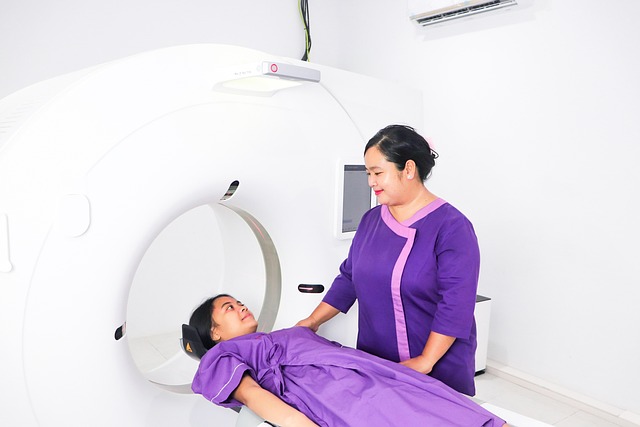
When you’re exploring a career in medical imaging, one of the first questions you’ll ask is how much a rad tech makes. Salary expectations vary based on factors such as location, experience, education, and the specific type of imaging you perform. Below, we break down the key components that influence earnings for radiologic technologists in the United States.
National Average Salary
According to the U.S. Bureau of Labor Statistics (BLS) data from 2024, the median annual wage for radiologic technologists is $68,400. The median means that half of all rad techs earn more, and half earn less. The hourly median rate is roughly $32.88.
Salary Range by Experience
Entry‑level rad techs (0‑2 years) typically start at about $53,000 per year, while those with 5+ years of experience can earn upwards of $80,000. Advanced certifications—such as CT, MRI, or mammography—often add a premium of 5‑15% to the base salary.
Geographic Influence
Location plays a major role in compensation:
- Highest paying states: California, New York, and Massachusetts, where median salaries exceed $80,000.
- Mid‑range states: Texas, Florida, and Illinois, with median earnings around $68,000‑$72,000.
- Lowest paying regions: Rural areas in the Midwest and South, where median wages can dip below $60,000.
Impact of Education and Certifications
Holding an associate’s degree is the minimum requirement, but many rad techs pursue a bachelor’s degree or specialized certifications. Obtaining credentials such as the ARRT (American Registry of Radiologic Technologists) certification or additional modality certifications (CT, MRI, PET) can boost earnings by 10‑20%.
Benefits and Overtime
Beyond base pay, most employers offer benefits that enhance total compensation, including health insurance, retirement plans, and paid time off. Many rad techs also receive overtime pay for night shifts, weekends, or emergency imaging, which can add an extra $5,000‑$10,000 annually.
Future Salary Outlook
The BLS projects a 9% growth in radiologic technologist employment from 2024 to 2034—much faster than the average for all occupations. This demand, driven by an aging population and advances in imaging technology, suggests that salaries will remain competitive and may increase further as specialty skills become more sought after.
Bottom line: A radiologic technologist can expect to earn between $53,000 and $80,000 annually, with the potential for higher income through experience, advanced certifications, and strategic location choices. If you’re passionate about patient care and enjoy working with cutting‑edge imaging equipment, this career offers both rewarding work and solid financial prospects.
**
About Ahmed Mahmoud
Practical knowledge enthusiast sharing everyday life hacks
Ahmed Mahmoud has been contributing to eKnaw for over a year, focusing on practical solutions and life improvements through simple, actionable advice.



Join the Discussion
Comments (0)