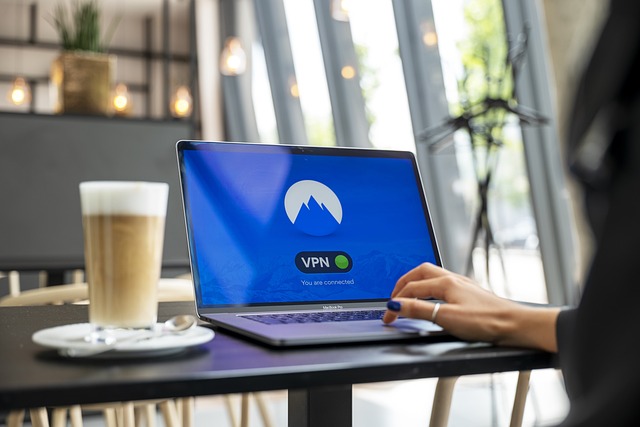
What Is a VPN?
A Virtual Private Network (VPN) is a technology that creates a secure, encrypted tunnel between your device and the internet. By routing your traffic through a remote server, a VPN masks your real IP address and protects your data from prying eyes, whether you’re on public Wi‑Fi or browsing at home.
How VPN Encryption Works
When you connect to a VPN, the client software on your device initiates a handshake with the VPN server. During this process, the two parties agree on an encryption algorithm (such as AES‑256) and generate a unique session key. All data that passes through the tunnel is then encrypted with this key, making it unreadable to anyone who intercepts it.
Even if a hacker captures the packets, the ciphertext appears as a random string of characters, and without the session key, it cannot be decrypted.
Tunneling Protocols
VPNs use different tunneling protocols to manage how data is encapsulated and transmitted. The most common ones include:
- OpenVPN – Open‑source, highly secure, and works on most platforms.
- IKEv2/IPsec – Fast reconnection, ideal for mobile devices.
- WireGuard – Modern, lightweight, and praised for its speed.
Each protocol balances security, speed, and compatibility, allowing users to choose the best fit for their needs.
Benefits of Using a VPN
Beyond privacy, a VPN offers several practical advantages:
- Bypass Geo‑Restrictions: Access streaming services, websites, or apps that are blocked in your region.
- Secure Remote Work: Employees can safely connect to corporate networks from anywhere.
- Protection on Public Wi‑Fi: Encrypts traffic on coffee‑shop or airport networks, preventing credential theft.
- Anonymous Browsing: Hides your online habits from ISPs and advertisers.
Conclusion
In essence, a VPN works by encrypting your internet traffic and routing it through a remote server, creating a private pathway across the public internet. This combination of encryption, tunneling protocols, and server locations ensures that your data stays confidential, your identity remains hidden, and you enjoy unrestricted access to online content. Whether you’re protecting personal information or enabling secure remote work, understanding how a VPN works helps you make informed decisions about your digital security.
**
About Takeshi Nakamura
Practical knowledge enthusiast sharing everyday life hacks
Takeshi Nakamura has been contributing to eKnaw for over a year, focusing on practical solutions and life improvements through simple, actionable advice.



Join the Discussion
Comments (0)