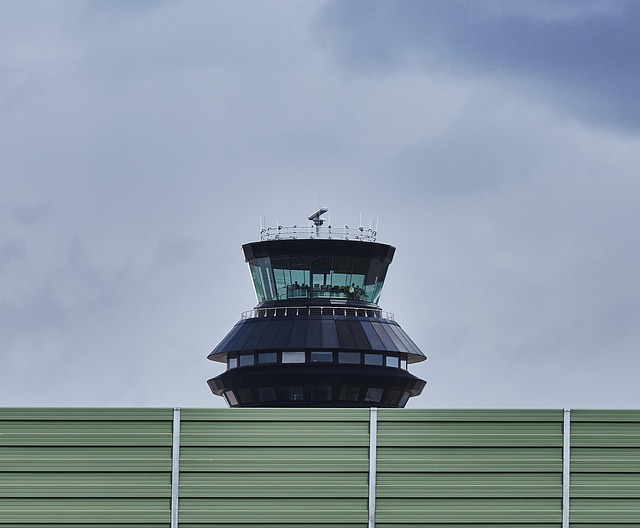
Understanding the Role
Air traffic controllers are the lifeline of aviation safety. They manage the flow of aircraft in the sky and on the ground, ensuring smooth, efficient, and secure operations. Before you embark on this career, it’s essential to grasp the responsibilities, work environment, and the high‑stress nature of the job.
Step 1: Meet Basic Eligibility Requirements
To start, you must satisfy the following criteria:
- Age: Be at least 18 years old (21 for federal positions in the U.S.).
- Citizenship: Hold citizenship of the country where you’ll work.
- Vision: Have normal color vision and 20/20 eyesight (correctable lenses are acceptable).
- Background: Pass a thorough background check and drug screening.
Step 2: Obtain the Required Education
Most aspiring controllers earn a high school diploma followed by a college degree or an AT‑C‑specific program. Options include:
- Associate’s or Bachelor’s Degree: Fields such as aviation, aeronautical science, or related disciplines.
- FAA‑Approved ATC Training Program: In the U.S., many community colleges partner with the Federal Aviation Administration.
- Military Experience: Service members can transition to civilian ATC roles through specialized training.
Step 3: Pass the Air Traffic Skills Assessment (ATSA)
The ATSA is a computer‑based test that evaluates spatial awareness, problem‑solving, and multitasking abilities. Preparation is key—use practice exams, study guides, and consider a prep course to boost confidence.
Step 4: Complete Formal Training
After selection, candidates attend an intensive training academy:
- Academy Curriculum: Covers radar operations, communications, aircraft separation standards, and emergency procedures.
- On‑the‑Job Training (OJT): New controllers work under the supervision of experienced mentors at an actual control facility.
Step 5: Obtain Certification and Maintain Proficiency
Successful completion of academy and OJT leads to a controller certification. Ongoing requirements include:
- Regular medical examinations.
- Continuing education and recertification exams.
- Periodic performance evaluations to ensure competence.
Tips for a Successful ATC Career
Stay Calm Under Pressure: Develop stress‑management techniques.
Enhance Communication Skills: Clear, concise radio communication is vital.
Keep Learning: Aviation technology evolves; stay updated on new systems and regulations.
Conclusion
Becoming an air traffic controller is a challenging yet rewarding path that demands dedication, precision, and a passion for aviation safety. By meeting eligibility criteria, pursuing the right education, acing the ATSA, and completing rigorous training, you can join the elite team that keeps the skies moving safely.
**
About Sophia Nguyen
Practical knowledge enthusiast sharing everyday life hacks
Sophia Nguyen has been contributing to eKnaw for over a year, focusing on practical solutions and life improvements through simple, actionable advice.



Join the Discussion
Comments (0)