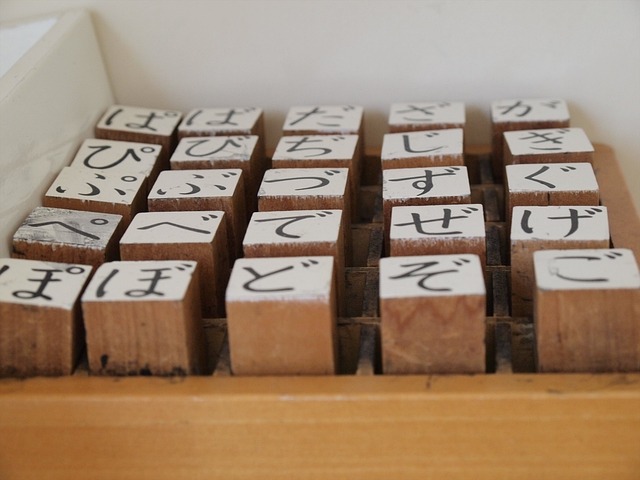
Why Hiragana Matters
When you start studying Japanese, hiragana is the foundation of every word you’ll read or write. It is the phonetic alphabet that represents native Japanese sounds, making it essential for beginners. Mastering hiragana not only unlocks basic conversation but also paves the way for learning katakana and kanji later on.
The 46 Basic Characters
Japanese uses 46 core hiragana symbols, each corresponding to a syllable. They are organized in the traditional “gojūon” (五十音) chart, ranging from a (あ) to n (ん). Learning them in groups—vowels, consonant‑vowel combos, and the special “y” and “w” sounds—helps the brain retain patterns. For example:
- あ (a), い (i), う (u), え (e), お (o)
- か (ka), き (ki), く (ku), け (ke), こ (ko)
- …and so on until ん (n).
Practicing each row repeatedly reinforces muscle memory and visual recognition.
Tips for Mastering Hiragana
1. Write by hand daily. The act of drawing each stroke solidifies the shape and order of the character.
2. Use mnemonic devices. Associate each symbol with a vivid image—e.g., あ looks like an “apple” with a stem.
3. Flashcards are powerful. Digital apps let you shuffle cards, test speed, and track progress.
4. Read simple texts. Children’s books, song lyrics, and beginner‑level manga provide context while reinforcing recognition.
5. Practice with real words. Write common greetings like こんにちは (konnichiwa) or ありがとう (arigatō) using only hiragana to see the script in action.
Resources and Practice Tools
Several free and paid resources can accelerate your learning:
- Online charts with stroke order animations (e.g., Tofugu, JapanesePod101).
- Mobile apps such as “Dr. Moku’s Hiragana” or “Anki” decks for spaced‑repetition review.
- Workbooks like “Japanese Hiragana & Katakana for Beginners” that combine writing drills with quizzes.
- Community forums (Reddit r/LearnJapanese, Lang-8) where you can post practice sentences for feedback.
Remember, consistency beats intensity. Even five minutes of focused hiragana practice each day will yield noticeable improvement within weeks. Embrace the rhythm of the characters, enjoy the cultural nuance they carry, and soon you’ll be reading Japanese with confidence.
**
About Amir Khan
Practical knowledge enthusiast sharing everyday life hacks
Amir Khan has been contributing to eKnaw for over a year, focusing on practical solutions and life improvements through simple, actionable advice.



Join the Discussion
Comments (0)