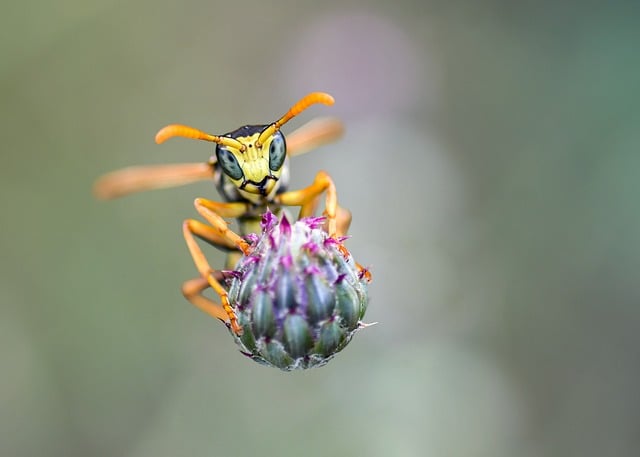
Identify the Nest
Before you take any action, locate the exact position of the wasp nest. Most species build their nests in protected areas such as eaves, gutters, attics, or underground burrows. Walk slowly around the structure, watching for increased wasp activity. A clear sighting of wasps entering and exiting a single spot confirms the nest location.
Gather the Right Gear
Proper equipment protects you from stings and ensures the job is done efficiently. You will need:
- Protective clothing – a beekeeping suit or thick jacket, gloves, and a veil.
- Insecticide spray – a wasp-specific aerosol that can reach the nest interior.
- Escape route plan – a clear path to retreat quickly after treatment.
Choose the Best Time
The optimal window for wasp nest removal is early morning or late evening when the insects are less active and most workers are inside the nest. Avoid sunny midday hours, as wasps become aggressive when temperatures rise.
Apply Treatment
1. Approach the nest slowly and position yourself downwind to prevent being hit by defensive wasps.
2. Spray the insecticide directly into the entrance opening. Use a steady, sweeping motion to coat the interior walls.
3. Retreat immediately after the spray, moving to your pre‑planned escape route. Remain at a safe distance for at least 15 minutes to allow the chemicals to take effect.
If the nest is large or located in a hard‑to‑reach spot, consider using a long‑reach spray can or hiring a professional pest control service.
Aftercare and Prevention
After the wasps have been eliminated, inspect the area for any remaining dead insects and clean up debris. Seal any cracks or gaps in walls, roofs, and vents to prevent future infestations. Regularly trim vegetation near your home and keep outdoor trash tightly covered, as these attract wasps looking for food sources.
By following these steps—identifying the nest, using proper gear, timing the treatment, applying an effective insecticide, and securing your property—you can safely get rid of a wasp nest and keep your home wasp‑free all year round.
**
About Diego Pérez
Practical knowledge enthusiast sharing everyday life hacks
Diego Pérez has been contributing to eKnaw for over a year, focusing on practical solutions and life improvements through simple, actionable advice.



Join the Discussion
Comments (0)